The Hidden Costs of Unchecked SaaS Sprawl: Why CIO's Need a Single Source of Truth

By Dan Chessa on Feb 23, 2026

SaaS Growth Without Control Becomes a Strategic Risk

SaaS has fundamentally transformed how modern organisations operate. Business units can adopt new tools in minutes, procurement cycles are shorter, and innovation moves faster than at any point in the past decade. This acceleration has unlocked enormous productivity gains and empowered teams to solve problems independently.

However, as adoption accelerates, visibility and governance often lag behind. What begins as empowerment and agility can quietly evolve into duplication, unmanaged risk, and uncontrolled spend. There’s a growing disconnect inside many companies between how quickly software is adopted and how effectively it is governed.

For business leaders in 2025 including CIOs, CTOs, CFOs, and IT leaders the question is no longer whether SaaS drives value. It clearly does. The more important question is how to maintain control, accountability, and resilience in an environment where software is constantly multiplying. The answer begins with establishing a single source of truth.

SaaS Sprawl Isn't the Enemy. Lack of Visibility Is.

Software sprawl isn't inherently negative. In many cases, it reflects initiative, experimentation, and a culture of innovation. Teams adopt tools to move faster, collaborate better, and deliver measurable results.

The challenge arises when SaaS growth occurs without centralized oversight. Without a system of record for applications, contracts, users, and usage data, organisations lose clarity. When clarity is lost, leadership can't govern effectively. Decisions become reactive rather than strategic.

SaaS adoption isn't slowing down. Gartner forecasts worldwide SaaS spending to approach 300 billion dollars in 2025, reflecting sustained global demand for cloud delivered tools across every business function. As software continues to proliferate, governance models must evolve accordingly. Visibility is no longer optional. It is foundational.

The Hidden Costs of Unchecked SaaS Sprawl

Unchecked SaaS sprawl rarely produces an immediate crisis. Instead, it creates friction and exposure that accumulate gradually over time. The financial, operational, and security implications compound quietly until they become material risks.

Hidden Spend and Budget Erosion

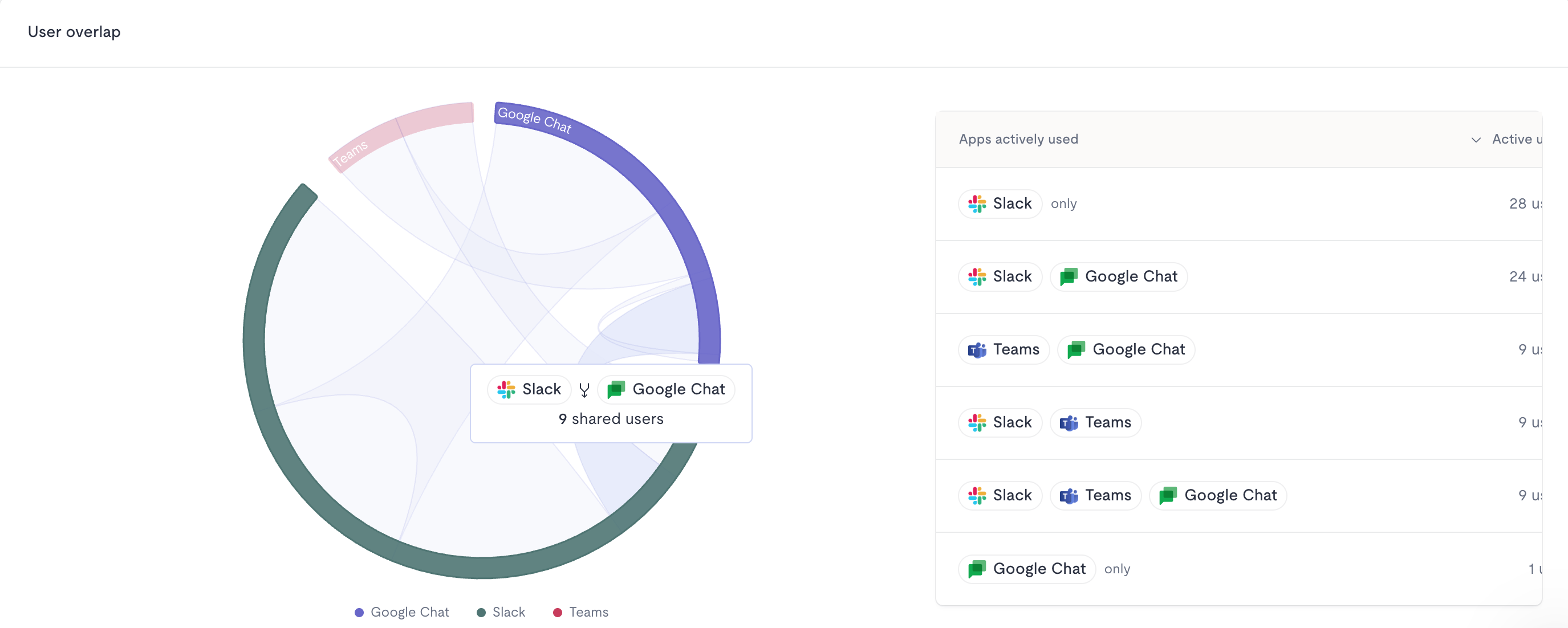
Many organisations underestimate their true SaaS expenditure. Applications are often purchased independently by departments, resulting in overlapping functionality, fragmented contracts, and inconsistent pricing structures.

Common patterns include:

  • Overlapping applications across business units
  • Licenses that remain active after employees leave
  • Automatic renewals that occur without review
  • Missed opportunities to negotiate consolidated enterprise agreements

According to Gartner strategic planning assumptions, organisations that fail to centrally manage SaaS life cycles risk overspending by at least 25 percent due to unused entitlements and redundant tools. Industry estimates similarly indicate that roughly a quarter of provisioned SaaS licenses go unused.

The core issue isn't simply waste. It is the absence of real time visibility into where and why that waste occurs. Without reliable data, cost optimisation becomes guesswork rather than governance.

Expanding Security Exposure

Every SaaS application introduces a new access point into the organisation’s digital ecosystem. As the number of applications grows, so does the attack surface.

Applications acquired outside formal review processes often lack consistent enforcement of identity controls such as single sign on and multi factor authentication. User permissions may become excessive over time. Sensitive data may reside in systems that have not undergone proper security assessment.

Organisations that can't clearly map their SaaS environment can't fully secure it. Gartner consistently highlights that companies lacking centralized SaaS visibility remain significantly more vulnerable to cyber incidents and data loss as sprawl intensifies. Security resilience begins with transparency.

Compliance Becomes Reactive Instead of Strategic

In regulated environments, accountability isn't optional. Leadership must be able to answer fundamental questions about data location, vendor relationships, access rights, and contractual alignment with GDPR and other local requirements.

When SaaS oversight is fragmented, compliance becomes manual and reactive. Audit preparation turns into an exercise in collecting scattered information from multiple departments. This not only increases operational burden but also weakens confidence among customers, partners, and regulators.

Governance must shift from reactive documentation to proactive lifecycle management.

From Speed to Resilience

The last decade of SaaS adoption was defined by speed. Rapid experimentation and decentralized purchasing were often viewed as competitive advantages. The next phase, however, demands resilience.

Resilience means knowing which applications are active, who owns them, how they are being used, and when contracts renew. It requires connecting usage data, financial data, and identity data into a coherent system of record.

Control does not slow innovation. On the contrary, it protects it. As we often say:

“Software freedom without visibility isn't empowerment. It is exposure.”

When leadership has clarity, it can support experimentation while maintaining guardrails. Speed and governance are not mutually exclusive. They are complementary.

Why a Single Source of Truth Changes the Conversation

A single source of truth for SaaS isn't more than an inventory list. It is the strategic foundation that connects Finance, IT, Procurement, and Security around shared data and shared accountability.

When leadership operates from one unified view covering applications, contracts, renewal timelines, user access, usage data, and compliance status, decision making becomes materially stronger. Waste can be identified with precision. Risk can be addressed proactively. Vendor negotiations become data driven rather than reactive.

Most importantly, leadership regains clarity. And clarity is the prerequisite for resilience.

Europe’s Role in Responsible SaaS Governance

Europe is uniquely positioned to lead in this next phase of digital transformation. With GDPR, strong regulatory frameworks, and an emphasis on digital sovereignty, European organisations understand that innovation and accountability must coexist.

Unchecked SaaS sprawl undermines that balance. Conversely, organisations that demonstrate disciplined SaaS governance strengthen investor confidence, deepen customer trust, and reinforce long term competitiveness.

This isn't about slowing down adoption. It is about ensuring that growth is sustainable and aligned with strategic objectives.

How Matrix42 SaaS Management Supports This Shift

At Matrix42 SaaS Management, we view SaaS lifecycle management as a strategic capability rather than an operational afterthought. Our platform provides comprehensive visibility across contracts, renewals, usage, access rights, and compliance data across all business units and geographies.

By consolidating fragmented information into a single system of record, Matrix42 SaaS Management enables organisations to reduce unnecessary spend, strengthen compliance, increase accountability, and transform SaaS sprawl into structured governance.

As adoption continues to accelerate, visibility and control are not constraints. They are competitive advantages.

Closing Thoughts

The next phase of digital transformation won't be defined by how many tools organisations adopt; it'll be defined by how effectively they govern them. Innovation without oversight creates fragility. Visibility creates resilience. And a single source of truth creates leadership clarity.

Clearly the organisations that will lead in 2026 and beyond won't simply move fast. They’ll move with control.

To learn more about Matrix42 SaaS Management and establish a single source of truth across your SaaS environment, connect with our team and we're happy to book some time to show you a path forward to true control of your SaaS stack and real savings.

Ready to start saving?

Viio is the modern way for finance teams to optimize their software spending.

Talk to a specialist

Oliver Quittek

CRO

Get in touch
Hero image of software

The Hidden Costs of Unchecked SaaS Sprawl: Why CIO's Need a Single Source of Truth

By 

Dan Chessa

Chief Marketing Officer

SaaS Growth Without Control Becomes a Strategic Risk

SaaS has fundamentally transformed how modern organisations operate. Business units can adopt new tools in minutes, procurement cycles are shorter, and innovation moves faster than at any point in the past decade. This acceleration has unlocked enormous productivity gains and empowered teams to solve problems independently.

However, as adoption accelerates, visibility and governance often lag behind. What begins as empowerment and agility can quietly evolve into duplication, unmanaged risk, and uncontrolled spend. There’s a growing disconnect inside many companies between how quickly software is adopted and how effectively it is governed.

For business leaders in 2025 including CIOs, CTOs, CFOs, and IT leaders the question is no longer whether SaaS drives value. It clearly does. The more important question is how to maintain control, accountability, and resilience in an environment where software is constantly multiplying. The answer begins with establishing a single source of truth.

SaaS Sprawl Isn't the Enemy. Lack of Visibility Is.

Software sprawl isn't inherently negative. In many cases, it reflects initiative, experimentation, and a culture of innovation. Teams adopt tools to move faster, collaborate better, and deliver measurable results.

The challenge arises when SaaS growth occurs without centralized oversight. Without a system of record for applications, contracts, users, and usage data, organisations lose clarity. When clarity is lost, leadership can't govern effectively. Decisions become reactive rather than strategic.

SaaS adoption isn't slowing down. Gartner forecasts worldwide SaaS spending to approach 300 billion dollars in 2025, reflecting sustained global demand for cloud delivered tools across every business function. As software continues to proliferate, governance models must evolve accordingly. Visibility is no longer optional. It is foundational.

The Hidden Costs of Unchecked SaaS Sprawl

Unchecked SaaS sprawl rarely produces an immediate crisis. Instead, it creates friction and exposure that accumulate gradually over time. The financial, operational, and security implications compound quietly until they become material risks.

Hidden Spend and Budget Erosion

Many organisations underestimate their true SaaS expenditure. Applications are often purchased independently by departments, resulting in overlapping functionality, fragmented contracts, and inconsistent pricing structures.

Common patterns include:

  • Overlapping applications across business units
  • Licenses that remain active after employees leave
  • Automatic renewals that occur without review
  • Missed opportunities to negotiate consolidated enterprise agreements

According to Gartner strategic planning assumptions, organisations that fail to centrally manage SaaS life cycles risk overspending by at least 25 percent due to unused entitlements and redundant tools. Industry estimates similarly indicate that roughly a quarter of provisioned SaaS licenses go unused.

The core issue isn't simply waste. It is the absence of real time visibility into where and why that waste occurs. Without reliable data, cost optimisation becomes guesswork rather than governance.

Expanding Security Exposure

Every SaaS application introduces a new access point into the organisation’s digital ecosystem. As the number of applications grows, so does the attack surface.

Applications acquired outside formal review processes often lack consistent enforcement of identity controls such as single sign on and multi factor authentication. User permissions may become excessive over time. Sensitive data may reside in systems that have not undergone proper security assessment.

Organisations that can't clearly map their SaaS environment can't fully secure it. Gartner consistently highlights that companies lacking centralized SaaS visibility remain significantly more vulnerable to cyber incidents and data loss as sprawl intensifies. Security resilience begins with transparency.

Compliance Becomes Reactive Instead of Strategic

In regulated environments, accountability isn't optional. Leadership must be able to answer fundamental questions about data location, vendor relationships, access rights, and contractual alignment with GDPR and other local requirements.

When SaaS oversight is fragmented, compliance becomes manual and reactive. Audit preparation turns into an exercise in collecting scattered information from multiple departments. This not only increases operational burden but also weakens confidence among customers, partners, and regulators.

Governance must shift from reactive documentation to proactive lifecycle management.

From Speed to Resilience

The last decade of SaaS adoption was defined by speed. Rapid experimentation and decentralized purchasing were often viewed as competitive advantages. The next phase, however, demands resilience.

Resilience means knowing which applications are active, who owns them, how they are being used, and when contracts renew. It requires connecting usage data, financial data, and identity data into a coherent system of record.

Control does not slow innovation. On the contrary, it protects it. As we often say:

“Software freedom without visibility isn't empowerment. It is exposure.”

When leadership has clarity, it can support experimentation while maintaining guardrails. Speed and governance are not mutually exclusive. They are complementary.

Why a Single Source of Truth Changes the Conversation

A single source of truth for SaaS isn't more than an inventory list. It is the strategic foundation that connects Finance, IT, Procurement, and Security around shared data and shared accountability.

When leadership operates from one unified view covering applications, contracts, renewal timelines, user access, usage data, and compliance status, decision making becomes materially stronger. Waste can be identified with precision. Risk can be addressed proactively. Vendor negotiations become data driven rather than reactive.

Most importantly, leadership regains clarity. And clarity is the prerequisite for resilience.

Europe’s Role in Responsible SaaS Governance

Europe is uniquely positioned to lead in this next phase of digital transformation. With GDPR, strong regulatory frameworks, and an emphasis on digital sovereignty, European organisations understand that innovation and accountability must coexist.

Unchecked SaaS sprawl undermines that balance. Conversely, organisations that demonstrate disciplined SaaS governance strengthen investor confidence, deepen customer trust, and reinforce long term competitiveness.

This isn't about slowing down adoption. It is about ensuring that growth is sustainable and aligned with strategic objectives.

How Matrix42 SaaS Management Supports This Shift

At Matrix42 SaaS Management, we view SaaS lifecycle management as a strategic capability rather than an operational afterthought. Our platform provides comprehensive visibility across contracts, renewals, usage, access rights, and compliance data across all business units and geographies.

By consolidating fragmented information into a single system of record, Matrix42 SaaS Management enables organisations to reduce unnecessary spend, strengthen compliance, increase accountability, and transform SaaS sprawl into structured governance.

As adoption continues to accelerate, visibility and control are not constraints. They are competitive advantages.

Closing Thoughts

The next phase of digital transformation won't be defined by how many tools organisations adopt; it'll be defined by how effectively they govern them. Innovation without oversight creates fragility. Visibility creates resilience. And a single source of truth creates leadership clarity.

Clearly the organisations that will lead in 2026 and beyond won't simply move fast. They’ll move with control.

To learn more about Matrix42 SaaS Management and establish a single source of truth across your SaaS environment, connect with our team and we're happy to book some time to show you a path forward to true control of your SaaS stack and real savings.

Ready to start saving?

Viio is the modern way for finance teams to optimize their software spending.

Talk to a specialist

Oliver Quittek

CRO

Get in touch

Read more stuff from Viio